For Organizations
How I Work
Organizations typically reach out when they need support navigating change, improving retention or engagement, supporting growth, managing acquisitions, or when internal leadership or people operations capacity is limited. These moments often require an external perspective to help leaders assess what’s working, what’s under strain, and where additional structure or support is needed.
My role is to serve as a strategic partner and advisor, working alongside leaders to evaluate organizational dynamics, decision-making, and execution across teams and systems. This work creates space for clarity, alignment, and thoughtful action without assigning blame or oversimplifying complex challenges.
Rather than prescribing solutions upfront, I focus on understanding how work is actually happening across the organization; how expectations are set, how decisions are made, how employees perceive the organization, and how leadership shows up in moments that matter. From there, we develop practical approaches that support performance, engagement, and long-term sustainability.
This approach helps organizations move through growth and transition with greater confidence, retain strong talent, and strengthen culture while maintaining operational effectiveness.
Leadership development work is grounded in somatic intelligence—the ability to notice, interpret, and respond effectively under pressure. This work supports leaders in developing greater presence, emotional awareness, and regulation so they can lead with clarity, steadiness, and trust in complex environments.
Leaders shape culture through behavior, not intention. How leaders show up in conversations, conflict, and decision-making moments directly impacts trust, engagement, and performance. By strengthening nervous system awareness and regulation, leaders are better equipped to remain grounded, communicate clearly, and hold accountability without reactivity.
What distinguishes this work is how it is delivered.
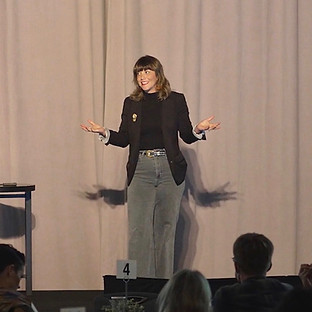
Leadership development is not approached as a lecture or information transfer. Trainings are interactive, experiential, and practice-based. Leaders learn core concepts and immediately apply them through facilitated exercises, real-time scenarios, role-playing, and reflection. This allows new skills to be embodied—not just intellectually understood—so they translate into actual behavior change inside the organization.
Leadership development topics are designed to address common challenges organizations experience, including:
-
Improving leadership presence and effectiveness in high-stakes conversations
-
Reducing reactive communication, defensiveness, and escalation
-
Strengthening decision-making under pressure and ambiguity
-
Navigating conflict productively rather than avoiding or amplifying it
-
Building trust and psychological safety while maintaining accountability
-
Leading teams through growth, change, or uncertainty
-
Clarifying authority, expectations, and boundaries
-
Increasing leadership capacity without burnout
Programs are offered for executive teams, leadership cohorts, and individual leaders, and may be delivered through interactive workshops,
cohort-based programs, retreats, or individual advisory and coaching engagements depending on organizational needs.